

When mold appears inside a home or business in Columbia, SC, it’s more than just a stain on the wall—it’s a sign that moisture has made itself at home. Whether caused by a leaking roof after a Midlands storm, poor ventilation in an office building, or leftover humidity from flooding, mold needs quick and professional attention.
At Rytech Restoration of the Midlands, our IICRC-certified mold remediation specialists in Columbia follow the ANSI/IICRC S520 Standard for Professional Mold Remediation to safely contain, remove, and restore affected areas. Our team serves Richland County and surrounding communities across Lexington, Sumter, and Newberry, helping property owners, managers, and insurance professionals restore healthy environments fast.
What Causes Mold Growth in Columbia Properties
Mold thrives in environments with excess moisture, warmth, and organic materials. In the Midlands region of South Carolina, humidity levels stay high nearly year-round, creating the perfect conditions for mold growth inside attics, basements, and crawlspaces.
Common moisture sources include:
- Roof and window leaks after heavy rain
- Condensation from HVAC systems
- Plumbing failures and burst pipes
- Flooding from summer storms or hurricanes
When moisture is left untreated for 24–48 hours, mold spores begin to multiply. Early detection and prompt drying—guided by the ANSI/IICRC S500 Water Damage Restoration Standard—will stop mold before it spreads behind drywall or under flooring.
Health Risks Associated With Mold Exposure
Mold can impact both health and indoor air quality. Short-term exposure often causes sneezing, headaches, coughing, and skin irritation, while long-term exposure may lead to asthma flare-ups or chronic respiratory conditions.
Children, older adults, and people with immune sensitivities are especially at risk. Property managers across Lexington and Richland Counties often contact Rytech when tenants report musty odors or worsening allergies. Professional inspection and remediation restore both comfort and safety.
Recognizing the Signs of a Mold Problem
Mold isn’t always visible, and many property owners first notice the problem through smell rather than sight. A persistent musty odor, water stains, or discoloration on drywall, ceilings, or trim may signal hidden mold.
In homes across Blythewood, Cayce, and Irmo, basements, bathrooms, and attics tend to trap humidity—creating unseen pockets of growth. When these signs appear, an inspection from a certified remediation professional provides clarity and direction for next steps.
Mold Inspection and Testing Procedures
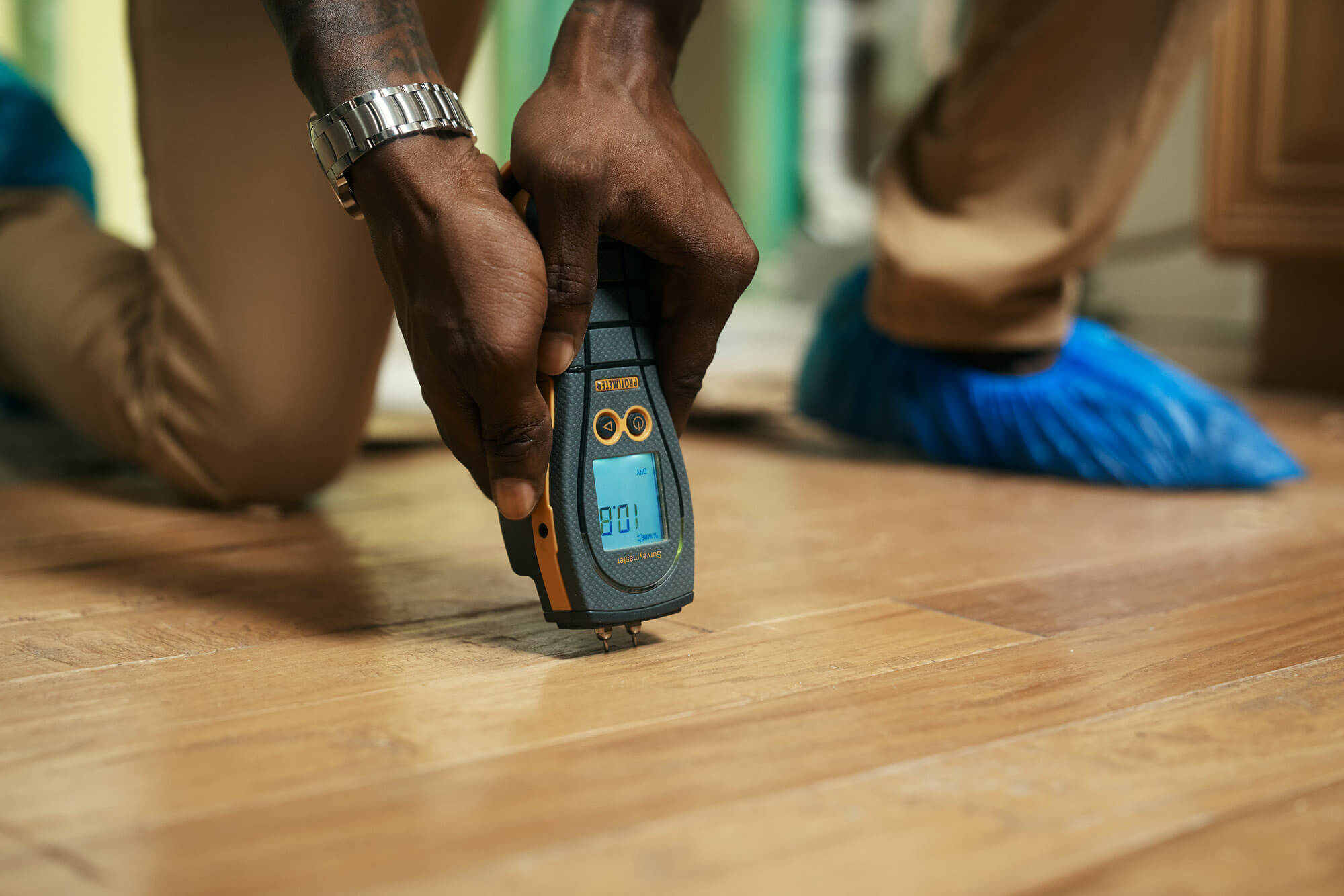
Accurate inspection begins with understanding where moisture hides. Rytech technicians use moisture meters, thermal imaging cameras, and air sampling equipment to identify moisture sources and assess contamination levels.
These tools help pinpoint how far the mold has spread and determine the appropriate containment zones. Following IICRC S520 procedures, our team maps out a remediation plan designed for the property’s unique structure and material composition—whether it’s a brick bungalow in Five Points or a commercial facility in Lexington County.
Step-by-Step Mold Remediation Process

Mold remediation is a carefully controlled process. Rytech Restoration of the Midlands follows a structured plan that includes:
- Inspection and Assessment – Identifying the moisture source and mapping affected areas.
- Containment – Sealing off contaminated zones to prevent cross-contamination.
- Air Filtration – Using HEPA air scrubbers to remove airborne spores.
- Mold Removal – Cleaning and safely removing contaminated materials.
- Cleaning and Sanitization – Using antimicrobial techniques to reduce spore count.
- Restoration – Returning the space to normal moisture and air quality levels.
Each step is documented with photos and readings to verify compliance with ANSI/IICRC standards, ensuring the property is safe for reoccupation.
Containment and Air Filtration Techniques
Containment is one of the most critical components of mold remediation. Rytech technicians use plastic sheeting barriers and negative air pressure systems to isolate affected areas. HEPA-filtered air scrubbers continuously remove airborne spores while maintaining safe conditions in surrounding spaces.
This process, outlined in the S520 and S700 standards, ensures that spores do not spread into clean areas—a method especially vital in shared environments like multi-unit housing or healthcare facilities.
Mold Removal Methods and Equipment
The Rytech team uses specialized equipment to remove mold contamination safely. HEPA vacuums capture microscopic spores, while wire brushes and industrial-grade cleaning agents are used on non-porous surfaces.
When materials such as drywall or insulation are beyond restoration, they’re safely removed and bagged for disposal under controlled conditions. Every phase of removal is carefully monitored to meet industry and local safety guidelines.
Drying and Dehumidification
After mold removal, the environment must be stabilized to prevent regrowth. Professional dehumidifiers and air movers restore humidity levels to acceptable ranges, following the drying principles outlined in the ANSI/IICRC S500.
Moisture mapping continues throughout the process, ensuring the building’s materials return to their equilibrium moisture content. By confirming dryness before completing restoration, Rytech helps property owners avoid repeat problems.
Preventing Future Mold Growth
The key to mold prevention in Columbia’s humid climate is long-term moisture control. Property owners can prevent mold by:
- Repairing leaks immediately
- Maintaining proper ventilation in attics and bathrooms
- Using dehumidifiers in basements or crawlspaces
- Scheduling seasonal moisture inspections
Rytech Restoration offers post-remediation maintenance advice and moisture monitoring tools that keep buildings in Lexington, Sumter, and Richland Counties protected year-round.
When to Hire Certified Mold Remediation Professionals
Small patches of mold (less than 10 square feet) can sometimes be cleaned by property owners. However, large-scale contamination, HVAC involvement, or recurring mold issues demand professional remediation.
Certified professionals like Rytech Restoration of the Midlands use industry-specific safety equipment and follow the ANSI/IICRC S520 standard of care, ensuring not only the removal of contamination but also full documentation for insurance or regulatory purposes.
“In Columbia’s climate, mold can grow faster than most people realize,” says Brian Larmon, Owner of Rytech Restoration of the Midlands. “Our team uses proven drying science and containment techniques to restore safety while protecting materials. Having worked in local homes and businesses for years, we understand how South Carolina’s heat and humidity interact with different building types—and how to stop mold from coming back.”
Brian Larmon, Owner, Rytech Restoration of the Midlands
Understanding Mold Remediation Costs
Costs vary depending on contamination size, materials affected, and the complexity of containment. Rytech provides clear, itemized estimates that align with IICRC documentation and insurance standards, ensuring full transparency for property owners and adjusters.
Commercial buildings or multi-family complexes may require additional air testing and clearance sampling to meet occupancy standards.
Insurance Coverage for Mold Damage
In many cases, mold remediation is covered when the damage stems from a sudden and accidental water loss, such as a burst pipe or roof leak. Rytech’s experienced administrative team assists property owners and insurance professionals by providing accurate reports, photos, and readings to simplify the claims process.
This collaborative approach allows adjusters and agents to resolve claims efficiently while maintaining confidence in restoration outcomes.
Post-Remediation Verification and Clearance Testing
Verification testing confirms that the mold problem has been fully addressed. Independent environmental professionals may perform air and surface sampling to ensure the space meets Condition 1, as defined in the IICRC S520 Standard.
Rytech provides post-remediation documentation to confirm the environment has returned to safe and normal microbial conditions.
DIY vs. Professional Mold Remediation
DIY cleanup can temporarily reduce visible mold, but without containment and drying, it often reappears. Professional remediation provides proven results and ensures compliance with health, safety, and environmental standards.
For property owners in Columbia, working with a certified expert eliminates guesswork and ensures long-term safety for tenants and occupants.
Legal and Regulatory Compliance in South Carolina Mold Remediation
Mold remediation in South Carolina follows ANSI/IICRC S520, EPA, and OSHA standards for worker and occupant safety. Compliance with these standards guarantees a documented, professional process that meets insurance and property management requirements.
Rytech Restoration’s certified technicians adhere to every regulation to maintain a safe and transparent workflow from start to finish.
FAQs: Answering Your Pressing Mold Remediation Questions
At Rytech Restoration of the Midlands, we know that mold remediation can be overwhelming. To help you through this difficult time, we've put together a list of FAQs. These provide detailed information about our services, the restoration process, and what to expect when you work with us.


