
Understanding Water Damage in Columbia, SC
Water damage in Columbia, South Carolina shows up fast and often without warning. One minute everything feels normal, and the next you’re dealing with soaked flooring, ceiling stains, or water spreading through your property. In Richland County and surrounding areas like Lexington, Irmo, and Blythewood, sudden summer storms, aging plumbing systems, and humidity all play a role in how quickly water damage develops and spreads.
At Rytech Restoration of the Midlands, we’ve spent years helping property owners, managers, and insurance professionals navigate these situations with confidence. This guide walks you through what actually happens during water damage, how restoration works, and what steps lead to the best outcome.
What Causes Water Damage in the Midlands?
Water damage in Columbia rarely comes from just one source. Local conditions shape how and why it happens. Heavy rainfall can overwhelm drainage systems, while older homes in areas like Cayce or Batesburg-Leesville may experience plumbing failures behind walls or under floors.
A burst pipe in a crawlspace, for example, can saturate structural wood before anyone notices. Roof leaks after a storm can allow water to travel down interior walls, creating hidden moisture pockets. Appliance failures such as water heaters or washing machines often release large volumes of water in a short time, especially in multi-family or commercial buildings.
Each cause affects how far the water spreads and how deeply it penetrates materials. That difference directly impacts how the restoration process is planned.
Water Damage Categories and What They Mean
Not all water damage is the same. The ANSI/IICRC S500 standard defines three categories based on contamination levels, and each one changes how the situation is handled .
Category 1 water comes from a clean source, like a broken supply line. Category 2 involves water that carries contaminants, such as discharge from appliances. Category 3 includes heavily contaminated water, often from sewage backups or floodwaters.
As time passes, water can shift from one category to another. Clean water left untreated will pick up contaminants from building materials and become more hazardous. That’s why timing plays such a major role in successful restoration.
Signs of Water Damage You Should Never Ignore
Some signs are obvious. Others are easy to overlook until the damage spreads. In Columbia homes and commercial buildings, we often see early warning signs that property owners didn’t realize were connected to water intrusion.
Discoloration on ceilings or walls, flooring that feels soft or uneven, and a persistent musty smell all point to hidden moisture. In high humidity areas like Richland County, these signs can develop quickly, especially in enclosed spaces such as crawlspaces or behind cabinetry.
When left unchecked, these conditions create an environment where materials begin to break down and indoor air quality declines.
What to Do Right After Water Damage Happens
The first few moments after discovering water damage shape everything that follows. Quick action limits how far water travels and reduces the impact on structural materials.
Shutting off the water source stops the spread. Moving valuables out of affected areas protects contents from further exposure. Taking photos helps document the situation clearly for insurance purposes. Most importantly, bringing in a professional team early allows for an accurate inspection and immediate moisture control.
Waiting too long allows water to absorb deeper into materials, which complicates the process and extends recovery time.
Why Fast Response Changes the Outcome
In Columbia’s climate, moisture doesn’t sit still. It moves, spreads, and creates new challenges within hours. Materials like drywall, wood, and insulation absorb water quickly, and that trapped moisture continues to affect the structure even after visible water is gone.
Within 24 to 48 hours, conditions begin to shift. Moisture levels increase, materials weaken, and microbial activity can begin to develop. Acting quickly stops that progression and keeps the restoration process focused on drying and stabilization rather than more complex remediation.
How Water Extraction and Drying Works
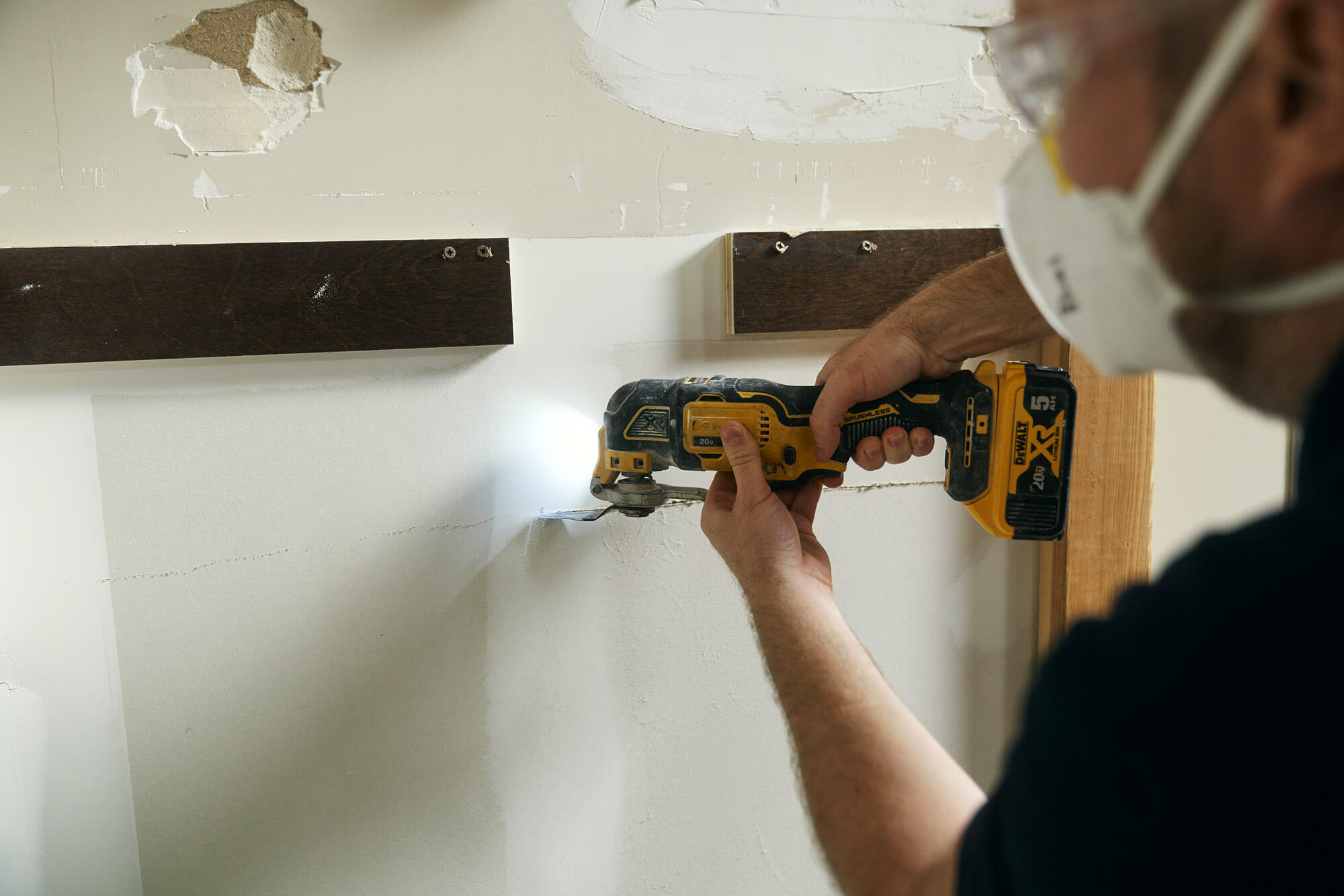
Professional water damage mitigation relies on controlled, science-based drying. The process begins with removing standing water using high-capacity extraction equipment. From there, specialized drying systems take over.
Air movers increase airflow across wet surfaces, while dehumidifiers pull moisture from the air. Together, they create an environment where water evaporates efficiently. Moisture meters and thermal imaging tools track progress, ensuring that hidden moisture pockets are identified and addressed.
This approach aligns with IICRC standards, which focus on restoring materials rather than replacing them whenever possible.
Mold Prevention and Safe Remediation Practices
Moisture and organic materials create the conditions mold needs to grow. In Columbia’s humid environment, that process can begin quickly if moisture is not controlled.
The ANSI/IICRC S520 standard outlines how mold remediation focuses on containment, safe removal, and reducing airborne spores rather than eliminating mold entirely . Proper containment prevents spores from spreading to unaffected areas, while specialized filtration systems improve indoor air quality during the process.
Addressing moisture at the source remains the key factor in preventing future issues.
Tools and Equipment That Make the Difference

Restoration equipment plays a major role in achieving consistent results. Commercial extractors remove large volumes of water quickly. Air filtration devices help manage airborne particles. Moisture detection tools provide accurate readings throughout the process.
Each piece of equipment works together to create a controlled drying environment. This level of precision allows restoration teams to document progress and ensure that materials reach safe moisture levels before the project moves forward.
Health and Safety During Water Damage Events
Water damage affects more than the structure. It can impact indoor air quality and create unsafe conditions, especially when contaminated water is involved.
Protective equipment, controlled work areas, and proper handling of affected materials all contribute to a safer environment. In some cases, temporary relocation may be necessary depending on the extent of the damage and the category of water involved.
Professional protocols follow established safety standards to protect both occupants and technicians throughout the process.
Navigating the Insurance Process with Confidence
For many property owners in Columbia, the insurance process feels unfamiliar. Understanding what to document and how to communicate with adjusters can feel overwhelming in the middle of a stressful situation.
Working with a team that documents every step of the process helps streamline communication. Detailed photos, moisture readings, and clear reporting provide the information insurance professionals need to evaluate the claim accurately.
This level of organization supports a smoother experience from start to finish.
Cost Factors That Influence Restoration
Water damage restoration costs vary based on several factors. The size of the affected area, the type of water involved, and how long the water has been present all influence the scope of work.
Properties with hidden moisture or multiple affected areas often require more extensive drying and monitoring. Mold remediation, when needed, adds additional steps focused on containment and air quality.
Understanding these variables helps property owners set realistic expectations for the process.
DIY vs Professional Restoration in Columbia
Some property owners attempt to handle small water issues on their own. While that may work for minor surface moisture, larger or hidden damage requires specialized equipment and expertise.
Household fans and basic tools cannot replicate the controlled drying environment created by professional systems. Without proper moisture detection, water can remain trapped behind walls or under flooring, leading to ongoing issues.
Choosing a professional team leads to a more complete and reliable outcome.
Preventing Future Water Damage in the Midlands
Preventive steps reduce the likelihood of future damage. Regular inspections of roofing, plumbing, and drainage systems catch small issues before they escalate. Proper grading around the property directs water away from the foundation.
In areas like Columbia and Lexington, where storms are common, maintaining gutters and downspouts plays a key role in protecting the structure. Small adjustments today prevent larger problems down the road.
What a Typical Restoration Timeline Looks Like
Water damage restoration follows a structured timeline. The first day focuses on inspection and water removal. Over the next few days, drying equipment runs continuously while moisture levels are monitored.
As materials dry, cleaning and sanitation take place. If needed, mold remediation is addressed with proper containment and air filtration. Each phase builds on the last, moving the property closer to a safe and stable condition.
Industry Standards and Professional Compliance
Restoration work follows established standards such as ANSI/IICRC S500 and S520, which define best practices for water damage and mold remediation. These standards guide everything from inspection to documentation and final verification.
They ensure that restoration efforts meet the accepted “standard of care” recognized across the industry . Following these guidelines leads to consistent, high-quality outcomes for both residential and commercial properties.
Local Expertise Matters in Columbia Restoration
Every region presents unique challenges. In Columbia, factors like humidity, soil conditions, and building materials influence how water damage behaves. Homes with crawlspaces, common in Richland County, often require specialized attention due to limited airflow and moisture retention.
"After years of working in Columbia homes and commercial buildings, we’ve seen how quickly moisture moves through materials like subflooring and framing in this climate. The key is understanding how local construction and humidity interact, so we can dry structures efficiently without unnecessary disruption."
Brian Larmon, Owner, Rytech Restoration of the Midlands
Take the Next Step Toward Protecting Your Property

When water damage affects your home or business, having the right information and the right team makes all the difference. If you’re searching for trusted water damage restoration in Columbia, South Carolina, Rytech Restoration of the Midlands is ready to guide you through the process with clarity and confidence.


