
Water damage rarely happens at a convenient time. A broken water supply line, a leaking roof during a South Carolina storm, an overflowing washing machine, or a sewer backup can change an ordinary day into a stressful situation within minutes. In Columbia, SC, and throughout Richland County, the combination of aging plumbing systems, seasonal storms, high humidity, and heavy rainfall creates conditions where water damage restoration is a common need for homeowners, commercial property owners, and property managers alike.
The good news is that water damage follows a proven restoration process. When certified professionals respond quickly, they can often restore many affected building materials instead of replacing them, reduce the spread of moisture, document every step of the project, and help guide property owners through the insurance process with confidence.
This guide walks you through each stage of professional water damage restoration so you know exactly what to expect when your home or business experiences water damage in Columbia, South Carolina.
Understanding Why Water Damage Happens in Columbia
Every water loss begins with a source. Finding and stopping that source comes before restoration begins because moisture will continue spreading until the intrusion has been controlled.
Throughout Columbia and neighboring communities like Cayce, Irmo, Lexington, Blythewood, Gaston, Sumter, and Newberry, restoration professionals commonly respond to water damage caused by burst pipes during temperature swings, appliance supply line failures, roof leaks after severe thunderstorms, overflowing plumbing fixtures, foundation seepage, storm-related flooding, and sewer backups.
South Carolina's warm climate also creates another challenge. High humidity slows natural evaporation, allowing moisture to remain trapped inside walls, flooring systems, insulation, cabinets, and structural framing. That hidden moisture continues damaging materials long after standing water disappears unless professional drying methods are used.
Why Fast Action Changes the Outcome
Water moves quickly through building materials. Drywall absorbs moisture like a sponge. Wood framing swells. Carpet padding traps water beneath the surface. Even concrete slabs can hold significant moisture that requires specialized drying techniques.
Professional restoration focuses on limiting secondary damage before it develops. Early water extraction and controlled drying help preserve flooring, cabinetry, structural materials, and personal belongings whenever possible. Acting quickly also reduces the opportunity for microbial growth to develop in damp materials.
The sooner certified technicians arrive, the sooner drying science begins working for your property.
Understanding Water Damage Categories and Classes
Professional restoration follows the ANSI/IICRC S500 Standard, which classifies water damage based on both the source of the water and how deeply moisture has affected the structure.
Water Damage Categories
Category 1 water originates from a sanitary source, such as a broken supply line or overflowing sink supplied by clean water.
Category 2 water contains contaminants that may cause discomfort or illness if contacted. Dishwasher discharge, washing machine overflows, and certain plumbing failures often fall into this category.
Category 3 water contains significant contamination and requires specialized safety procedures. Floodwater, sewage backups, and water containing harmful contaminants are common examples.
As time passes, Category 1 water can deteriorate into a higher category if left untreated.
Water Damage Classes
The ANSI/IICRC S500 Standard also groups losses into Classes 1 through 4 according to how much moisture has been absorbed and how difficult it will be to dry affected materials.
Class 1 losses involve minimal moisture absorption and limited evaporation requirements.
Class 2 losses affect larger portions of walls, flooring, and structural materials.
Class 3 losses often involve saturation from the ceiling to the floor with extensive evaporation requirements.
Class 4 losses include specialty materials such as hardwood flooring, plaster, concrete, brick, and dense structural components that require advanced drying strategies.
Understanding both the water category and drying class allows restoration professionals to create an effective restoration plan instead of using a one-size-fits-all approach.
Your Initial Inspection and Damage Assessment
The first visit establishes the roadmap for the entire restoration project.
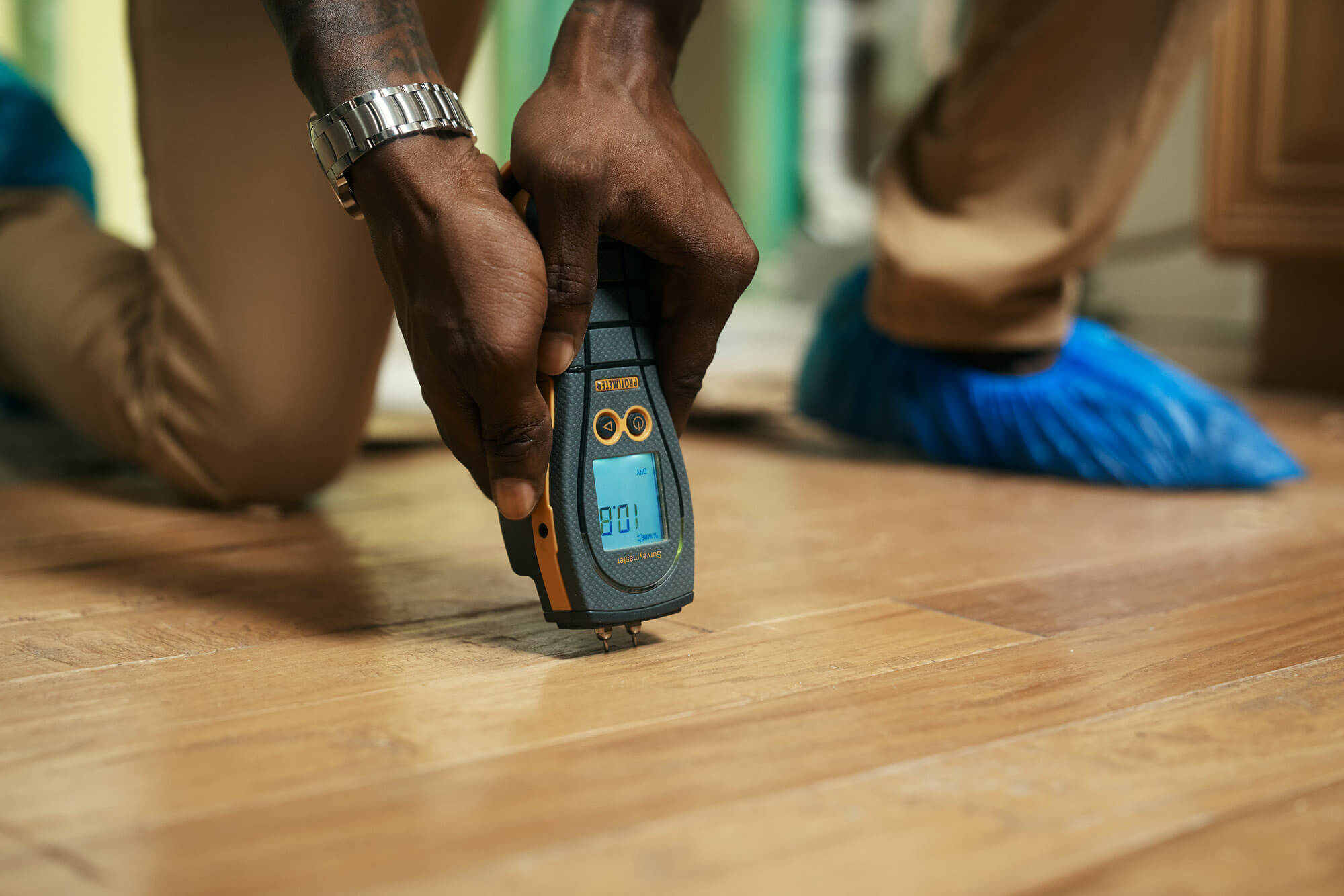
Certified technicians begin by identifying safety concerns such as electrical hazards, structural instability, or contaminated water. Once the property has been evaluated for safe access, they locate both visible and hidden moisture using advanced moisture meters, infrared imaging technology, hygrometers, and other specialized detection equipment.
The inspection also documents damaged building materials, affected contents, moisture readings, photographs, and drying conditions. This information supports restoration planning while also providing clear documentation that helps everyone involved understand the scope of the project.
Every building responds differently to water intrusion. A commercial office in downtown Columbia dries differently than a historic home near Forest Acres or a newer subdivision in Lexington. Professional moisture mapping ensures the restoration strategy matches the specific construction methods and materials inside each building.
Professional Water Removal and Extraction

Removing standing water becomes the next priority.
Industrial extraction equipment removes large volumes of water far more efficiently than household wet vacuums. Truck-mounted extraction systems, portable extractors, pumps, and specialized floor extraction tools remove water trapped beneath carpet, inside flooring systems, and within structural assemblies.
Fast extraction limits additional water migration while reducing drying time. Less moisture remaining inside the structure means less opportunity for damage to spread into adjacent rooms and concealed spaces.
Because every hour matters, professional crews begin extraction immediately after the source has been controlled whenever conditions allow.
The Science Behind Structural Drying
Many property owners believe the project is finished once standing water disappears. In reality, the drying phase often determines whether the restoration will be successful.
Professional drying relies on psychrometry, airflow management, controlled dehumidification, and continuous monitoring rather than simply placing fans around the property.
High-capacity air movers increase evaporation while commercial dehumidifiers remove moisture from the air. As humidity drops, trapped moisture migrates from wet materials into the surrounding air where it can be removed from the building.
Technicians regularly measure moisture levels throughout the project instead of estimating when materials are dry. Daily monitoring allows equipment adjustments that improve drying efficiency while documenting measurable progress toward established drying goals.
This scientific approach follows the ANSI/IICRC S500 Standard and helps restore many building materials that otherwise might be discarded unnecessarily.
Preventing Mold During Water Damage Restoration
Mold can begin developing within 24 to 48 hours when moisture remains inside suitable building materials. That timeline makes rapid drying one of the most effective ways to reduce the potential for microbial growth.
When elevated microbial contamination is suspected, restoration professionals isolate affected areas, establish engineering controls, improve air filtration using HEPA filtration when appropriate, and safely remove materials that cannot be restored.
Professional mold remediation focuses on identifying moisture sources, establishing containment, removing contamination, cleaning affected surfaces when appropriate, reducing harmful mold spores within the indoor environment, and documenting each phase of the project according to recognized industry standards.
Simply drying visible surfaces does not solve hidden moisture problems. Complete moisture detection and controlled drying produce better long-term results.
Restoring the Property After Drying
Once structural drying has been verified, technicians determine which materials have been successfully restored and which materials have experienced damage beyond restoration.
Professional restoration emphasizes preserving materials whenever practical through advanced drying methods, specialized cleaning, and moisture control. Materials that cannot be successfully restored are carefully removed to support a healthy restoration environment.
The goal is returning the affected areas to their pre-loss condition rather than performing renovation or upgrades.
Navigating the Insurance Process
Many property owners file very few insurance claims during their lifetime. Having experienced restoration professionals documenting each stage of the project provides valuable support throughout the claims process.
Restoration teams capture detailed photographs, moisture readings, drying documentation, equipment logs, and written reports that help explain the work performed. They also communicate with insurance adjusters and carriers throughout the project when needed.
Property owners can also help keep the process moving by reporting the loss promptly, saving receipts related to emergency expenses, documenting conversations, and maintaining records throughout the project.
Instead of feeling overwhelmed by unfamiliar procedures, many customers appreciate having experienced restoration professionals helping organize information from the first inspection through project completion.
What Affects Restoration Timelines and Costs?
Every water loss is different.
Many drying projects require approximately three to seven days, although larger commercial buildings, extensive water migration, Category 3 water losses, and specialty materials can extend the overall timeline.
Several factors influence project duration and restoration costs, including the size of the affected area, how quickly restoration begins, the category of water involved, the class of water damage, building materials affected, hidden moisture conditions, and whether microbial contamination has developed.
An early professional inspection provides the most accurate understanding of both restoration scope and expected project duration.
Choosing the Right Water Damage Restoration Company in Columbia
When selecting a restoration company, experience matters. Look for IICRC-certified technicians, 24/7 emergency response capabilities, advanced moisture detection technology, detailed documentation practices, and proven expertise with residential and commercial properties.
A qualified restoration company understands drying science, follows recognized industry standards, communicates clearly throughout the project, and focuses on restoring materials whenever practical instead of recommending unnecessary demolition.
For property owners throughout Richland County, Lexington County, Sumter County, Fairfield County, Orangeburg County, Kershaw County, Newberry County, Saluda County, Lee County, Calhoun County, Aiken County, Bamberg County, Union County, Richmond County, and surrounding communities across South Carolina and Georgia, choosing experienced professionals provides confidence from the initial inspection through the final moisture verification.
Local Experience Makes a Difference
"Our team has worked with homes and commercial buildings across the Midlands for many years, and every structure tells a different story," says Brian Larmon, Owner of Rytech Restoration of the Midlands. "From older homes in Columbia with plaster walls and hardwood flooring to newer commercial buildings throughout Richland County, we understand how local construction methods respond to water intrusion. That experience allows us to create restoration plans that protect as much of the property as possible while following ANSI/IICRC standards every step of the way."
Brian Larmon, Owner, Rytech Resroration of the Midlands
That local knowledge becomes especially valuable after severe thunderstorms, hurricane remnants, plumbing failures, and other common water losses experienced throughout central South Carolina.
Serving Columbia and the Midlands with Science-Based Restoration
Whether water damage occurs inside a downtown Columbia office, a family home in Irmo, a retail space in Lexington, or an apartment community in Blythewood, every successful restoration begins with a detailed inspection and a carefully planned drying strategy.
If you are searching for professional water damage restoration services in Columbia, SC, working with certified restoration specialists helps protect your property while providing clear communication throughout every stage of the process.


